Child & Youth Diabetes
Current Focus
The Diabetes Epidemic
Diabetes outcomes for all populations are of concern throughout the world, and diabetes rates in younger populations are increasing. The International Diabetes Federation lists Canada among the worst OECD countries for diabetes prevalence.
In Canada, Indigenous Peoples – First Nations, Inuit and Métis – are exceptionally burdened with diabetes and its complications, partially due to the disruptive impact of colonization. First Nations Peoples who are now 20 years old face up to an 80% lifetime risk of developing diabetes, and in some subgroups within this population, the risk is even higher.
Diabetes prevention and care is not just about physical health but also involves spiritual, emotional and mental aspects. Diabetes is a complex disease with multiple risk factors that vary by social circumstances, reflecting inadequate and unfair distribution of resources and opportunities, or what is referred to as social inequities. The COVID-19 pandemic challenged already limited opportunities with respect to diabetes prevention and care for Indigenous Peoples and underscored the need to address the broader structural forces that affect health and wellbeing. Recognizing that Indigenous organizations and communities are mobilizing significant diabetes-related efforts to create and implement community solutions, there is an urgent need to enhance and support them.
Lawson Foundation’s Response
In 2021, building on our long history of support for diabetes prevention, management and research, the Foundation convened a group of strategic advisors to help us develop our approach to meet this area of greatest need. The advisors brought to our discussions a broad range of expertise and experience, including a deep knowledge of work in northern and remote Indigenous communities and in pediatric endocrinology, nursing, family medicine, community development, and equity in health care. Their expertise and advice were critical to creating a diabetes strategy in which Indigenous ways of knowing and being are integral to our approach.
Given the Foundation’s overall focus on the healthy development of children and youth, the Child & Youth Diabetes Impact Area (CYD) centres its work on children, youth and their families, including maternal and perinatal health. Our renewed strategy has been guided by the key principles of Indigenous leadership; models of Indigenous wellness; community-centred and strength-based approaches; and relationships, reciprocity and shared learning. Our Child & Youth Diabetes Strategy was launched in 2022 with a 10-year commitment that recognizes it takes time to build the knowledge, relationships, and trust needed to develop and support Indigenous community-based initiatives and measure outcomes.
Our focus is that children and youth in First Nations, Inuit, and Métis communities have access to community-based diabetes prevention and management initiatives that are wholistic, rooted in culture and community, and focused on the health and wellness of children, youth, and their families.
Our Current Work
The Foundation’s approach has continued to evolve as we listen to and learn from our partners. Our work encompasses granting, convenings that bring partners together each year, support for Indigenous-led public policy and advocacy, and our Virtual Visits series.
- Granting: Our grants are flexible and built on trust, with funding that vary in size and length to reflect the needs and resources of each partner. These projects and initiatives reach across diabetes prevention and management, maternal and perinatal health, food sovereignty, and youth empowerment. We seek to offer funding in ways that ease the burden of applying for those with limited time or capacity and help bridge communities with philanthropic support. Explore the partners and projects we support.
- Virtual Visits: Since 2023, our Virtual Visits series has been a place to learn about wholistic Indigenous community-based approaches to health and wellness, including the prevention and management of diabetes. Each episode is open to all, bringing together guest speakers, community members, practitioners, researchers, and policymakers to build relationships toward better supporting Indigenous communities. Explore past and future virtual visits.
- Convenings: Each year, partners gather in a different territory to spend time together, share, and learn. These gatherings have been held in Calgary, Victoria, and Wendake, and partners describe them as a space for relational learning, cultural grounding, and reflection, away from the pressures of formal reporting.
- Public Policy: We support the Indigenous Diabetes Health Circle in its leadership on public policy and advocacy, advancing discussions on diabetes prevention and care for Indigenous communities across Canada.
Funding History
The Foundation Child & Youth Diabetes focus on supporting Indigenous-led organizations and communities began with an initial investment in 2022 of over $3 million in ten projects aimed at preventing type 2 diabetes and reducing health disparities in northern and remote communities over the next three years.
In addition to multi-year funding for a cohort of ten projects, we provided smaller grants to ten projects and programs that received multi-year funding. These grants support communities and organizations doing significant wholistic community-based work in diabetes prevention and management.
For more information on our Child and Youth Diabetes Impact Area, please connect with Jeff LaPlante.
Staff Contact

Jeff LaPlante
Our Areas of Focus
Early Child
Development
Child & Youth
Diabetes
Youth Climate & Nature Leadership
Sector
Infrastructure
Miggsie
Fund
Related News and Updates
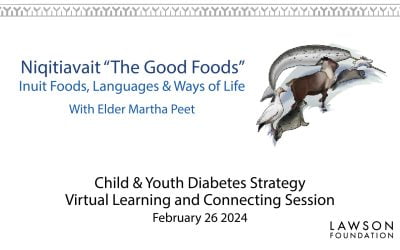
Child & Youth Diabetes | Virtual Visits #5 | Niqitiavait, “the Good Foods”
https://www.youtube.com/watch?v=rJoddhnhzUg In our February 26, 2024, episode of the Child & Youth Diabetes Strategy Virtual Learning and Connecting Series, we were honored to be joined by host Martha Peet, an Inuk Elder and Traditional Knowledge Keeper...

Diabetes Awareness Month
November marks Diabetes Awareness Month and an opportunity to reflect on the silent health crisis affecting millions of people across Canada, especially in northern and Indigenous communities where the rise of type 2 diabetes among youth has been recognized as the...

Child & Youth Diabetes | Virtual Visits #4 | Innovative Approaches to First Nations Wellness
https://youtu.be/4R68_Lk-NWM?si=sL6M4sIXpZ8dGpN2 In Episode 4 of our Child & Youth Diabetes Strategy Virtual Learning and Connecting Series, alongside our partner, First Nations Education Council, we heard from David Gill, a retired National Team athlete...
Child & Youth Diabetes | Virtual Visits #3 | Indigenous Birth Helpers
https://youtu.be/xwVG2vRKwro?si=C7KF4-FY6zyvBNIR “We have to go back to the beginning.” That’s what Indigenous grandmothers told Jolene Mercer and Kathleen Bluesky, who shared the story of Wiiji’idiwag Ikwewag with us for the latest episode of the Child &...
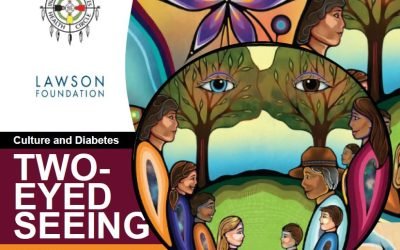
Child & Youth Diabetes | Virtual Visits # 2 | Culture & Diabetes
https://youtu.be/e1uSpCOLoXE?si=ZKi7Dl3n5G1J4WxM “I am not this disease. It came to tell me that I need to start loving myself.” Grandmother Renee Thomas-Hill shares her wisdom in episode 2 of our virtual learning series on diabetes and Indigenous wellbeing....
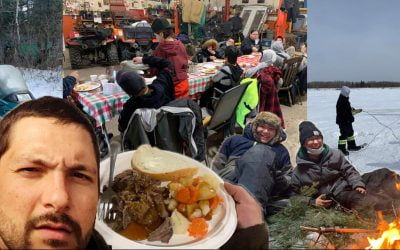
Child & Youth Diabetes | Virtual Visits # 1 | Food Matters
https://youtu.be/9lQWYl6QBRw?si=L5zAOhEIcXUXDZFI Watch episode 1 of our Child Youth & Diabetes Strategy Virtual Learning & Connecting series, which features a conversation with Demian Lawrenchuk, Fox Lake Cree Nation, and Executive Director of Food...