Child & Youth Diabetes
Granting
Through our Child & Youth Diabetes impact area, we support Indigenous-led organizations and communities doing community-based work in wholistic diabetes prevention and management. This work is rooted in culture and community, and focused on the health and wellness of children, youth, and their families. It reaches across diabetes prevention and management, maternal and perinatal health, food sovereignty, and youth empowerment.
How We Grant
Our granting is flexible and built on trust, with grants that vary in size and length to reflect the needs and resources of each partner. The Indigenous-led organizations and communities we support gather to share learnings at annual convenings organized by the Lawson Foundation.
Partners & Projects We Support
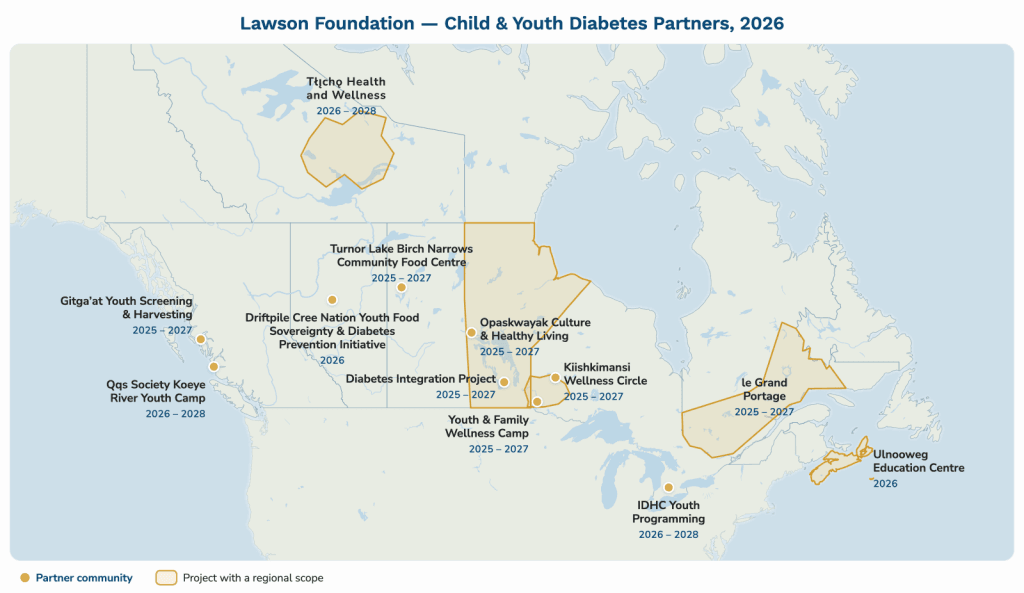
- Kiishkimansi Wellness Circle
- Diabetes Integration Project
- Turnor Lake & Birch Narrows Community Food Centre
- Camp du Grand Portage
- Opaskwayak Culture & Healthy Living
- Youth & Family Wellness Camp
- Gitga'at Youth Screening & Harvesting
- Qqs Projects Society Koeye River Youth Camp
- IDHC Youth Programming
- Driftpile Cree Nation Youth Food Sovereignty & Diabetes Prevention
- Ulnooweg Education Centre
- Tłı̨chǫ Health & Wellness
Kiishkimansi Wellness Circle
Trout Lake, ON
Kiishkimansi Wellness Circle supports Indigenous children in reconnecting to the land, learning their language, and learning the ceremonies and ancestral ways that will strengthen them and provide them with the skills to cope and thrive in the modern world.
Located in the ancestral lands of the Namekosiipiiw Anishinaapek, on AtikamekoMinis Island near Trout Lake, Ontario, since 2023, Kiishkimansi Wellness Circle’s youth camp has been working to revitalize culture, identity, history and ceremony through land-based connections.
Traditional food is a focus of the camps: youth participate in traditional and modern methods of harvesting Manoomin (wild rice), grounded in ceremony and feasting, alongside regular physical activities like canoeing and snowshoeing.
(Video recap of the Kiishkimansi Wellness Circle’s 2025 Youth Camp)
Diabetes Integration Project
First Nations Health and Social Secretariat of Manitoba · Winnipeg, MB
The Diabetes Integration Project (DIP) identifies First Nations children and youth at risk of diabetes and works with them to prevent the progression of the disease and its complications.
Travelling to First Nations communities across Manitoba, DIP nurse teams screen youth aged 10 to 25 using point-of-care testing to determine their risk, then invite them into a “diabetes boot camp” covering diabetes, mental health, traditional knowledge, nutrition, and physical activity. The team also develops diabetes and wellness coaching videos and teaching materials that are openly available online, working through a First Nations lens with harm-reduction and strength-based approaches.
DIP’s three teams of nurses provide point-of-care testing, diabetes counselling and education, care plans, and referral pathways across First Nation communities in Manitoba.
Learn more: www.fnhssm.com/dip
Turnor Lake & Birch Narrows Community Food Centre
Turnor Lake, SK
The Turnor Lake & Birch Narrows Community Food Centre improves access to food while preserving and practicing traditional foodways in a remote region where high food prices and a single small grocery store limit healthy choices.
The Community Food Centre’s programs bring youth, families, and Elders together through community gardens, workshops on preparing traditional foods such as caribou, duck, and rabbit, and land-based programs where youth learn to hunt, fish, and snare. The Youth and Elders programs pair generations to grow and cook good food together and to create custom clothing and blankets for their families, building relationships and friendships that help youth and families thrive.
As the first Community Food Centre in Saskatchewan and one of only three in an Indigenous community, it brings a Northern First Nations and Métis perspective to the Community Food Centres of Canada model. Birch Narrows First Nation and Turnor Lake Hamlet are two tight-knit communities of 800 people from the Dene and Cree Nations and are located 700 kilometres northwest of Saskatoon in an area of rich boreal forest.
Camp du Grand Portage
New Pathways Foundation · Wendake, QC
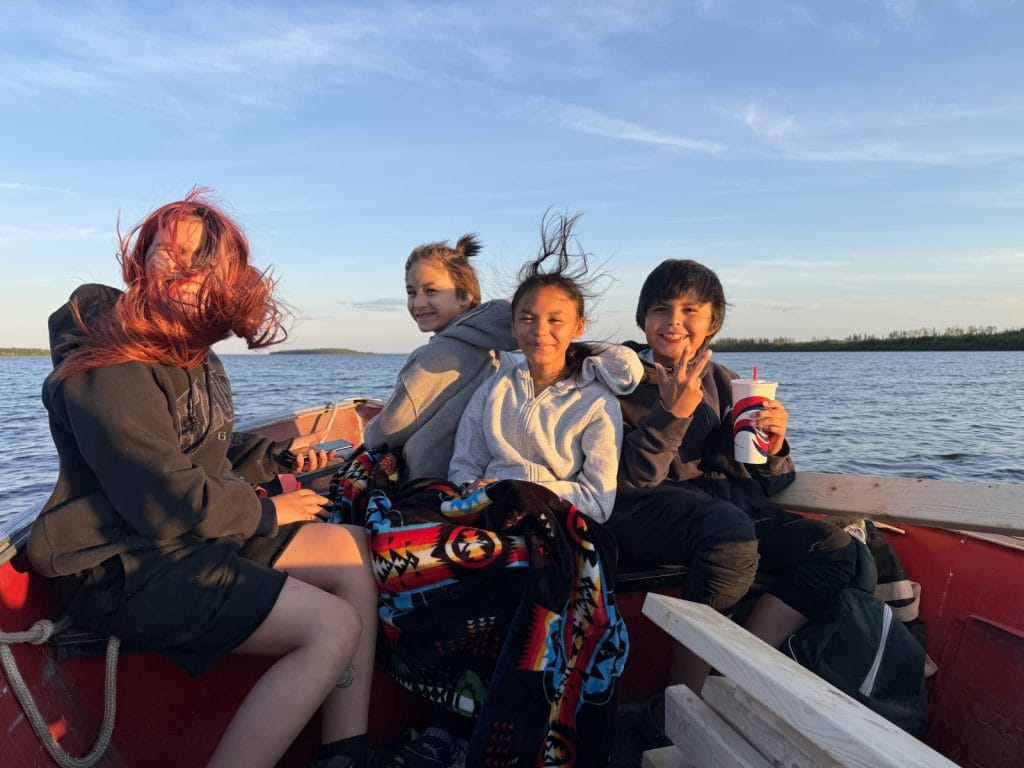
Camp du Grand Portage is a hands-on, weeklong experience where high school students from First Nations communities build a multi-kilometre trail that will serve their entire community, promoting physical activity and community pride.
Bringing together education, health, public works, recreation, Elders, and local leadership around a shared goal, the youth do the work themselves — gaining confidence, practical skills, and a deep sense of ownership over a trail that will be used for years to come. It supports mental health by reconnecting youth to the land, outside traditional clinical settings, and fosters pride and belonging by letting youth experience success outdoors and be seen in a new light by teachers and support staff.
The camp is led by the New Pathways Foundation, an Indigenous organization based in Wendake, Quebec.
Opaskwaya Identity Project
Opaskwayak Culture & Healthy Living Initiatives · Opaskwayak Cree Nation, MB
Opaskwayak Culture & Healthy Living Initiatives has developed “Opaskwaya Identity: Connecting youth with local knowledge through land-based practices”. In the project, Opaskwayak Cree Nation Indigenous youth gather knowledge, skills and experiences that prepares them to take responsibility for and control of their health and well-being.
Drawing on local Elders’ land-based knowledge and practices, youth learn to identify, harvest, and prepare traditional foods and medicines, as well as foods grown in the community garden. Youth take canoe trips through their territory’s waterways, where they are able to apply their land-based knowledge and skills. Related resources and curriculum for the community and schools are developed to support the maintenance of activities beyond the project term.
Makate Waagamichiwanang Gakinaa’amaatiwin Youth & Family Wellness Camp
Kenora, ON
The Youth & Family Wellness Camp is a vibrant, land-based space where culture, wellness, and connection come together to support community healing. Guided by the Sacred Teachings of love, respect, courage, honesty, wisdom, humility, and truth, the Camp creates opportunities for children, youth, families, and communities to reconnect with culture, strengthen relationships, spend time on the land, and support their overall health and well-being.
The Camp’s commitment to wellness is woven throughout its teachings, programming, activities, and shared meals. Produce grown in the Camp’s on-site gardens is used in much of its cooking, while also providing opportunities for youth to learn about growing, harvesting, preparing, and sharing food. Land-based learning takes place throughout the Camp, with participants engaging in activities such as foraging, harvesting, and sampling fresh foods grown in the gardens. Through these hands-on teachings, participants can build a deeper understanding of food sovereignty and the connections between food, culture, land, and community wellness.
The Camp’s Kitchen PREP program provides youth with practical, hands-on experience in the kitchen, helping them build food preparation skills, confidence, and a stronger connection to the foods they eat and share with others, alongside preparing them for employment and giving them real experience in the workplace.
The Camp’s programming and amenities include a walking trail; seasonal celebrations, feasts, and cultural teachings; Manoomin harvesting and processing; and recreational spaces and play structures, with plans underway to develop a Community Food Truck that will bring healthy meals, Camp-grown produce, and food-based programming directly to communities.
The Camp works alongside community organizations and service providers, including Ogimaawabiitong (Kenora Chiefs Advisory), to create culturally grounded opportunities for communities across Treaty 3 and Northwestern Ontario. With guidance from KCA’s Anishinaabe Diabetes Education Program, the Camp’s kitchen and programming teams lead food and wellness initiatives that incorporate diabetes awareness, prevention, and education.
Learn more: www.wellnesscamp.ca
Follow on social media: Instagram, Facebook, TikTok
Gitga’at Youth Land-Based and Cultural Continuity Diabetes Prevention Approach
Gitga’at Health Department · Hartley Bay, BC
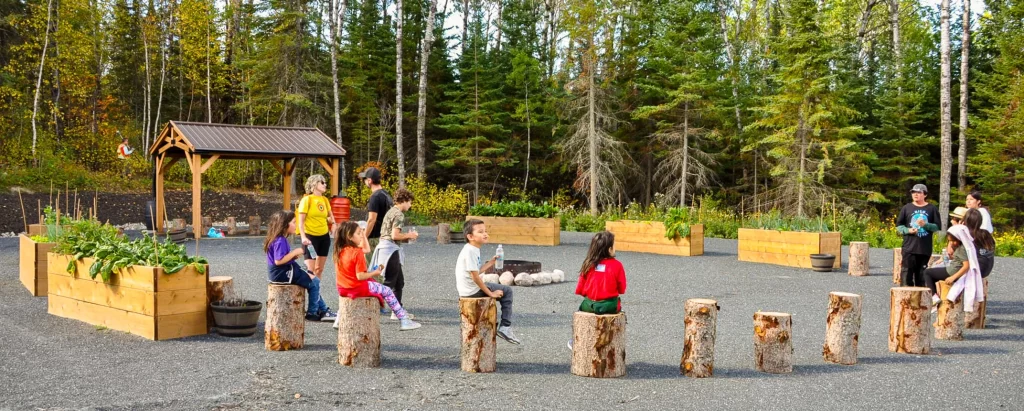
This Gitga’at initiative recognizes cultural continuity as fundamental to health and well-being. The project engages youth in their culture, community, language, and traditional food systems through land-based learning, strengthening connections to place, identity, and ancestral knowledge while supporting diabetes prevention and overall wellness.
The Gitga’at are a Ts’msyen Nation, and today reside in the community of Hartley Bay, British Columbia, located approximately four hours south of Prince Rupert by boat. The community’s remoteness and the absence of a grocery store have helped sustain extensive land-based knowledge among Elders and Knowledge Holders. At the same time, limited access to fresh market foods has contributed to a reliance on highly processed foods, a concern identified by community members as increasing the risk of diabetes among both youth and adults.
The project is led by the Gitga’at Health Department in partnership with Hartley Bay School. Guided by Elders and community members, youth participate in harvesting and the full spectrum of traditional food-system practices, from learning where foods come from to preparing, sharing, and caring for them. Through these experiences, participants deepen their cultural identity, strengthen intergenerational relationships, and build practical skills that support lifelong health.
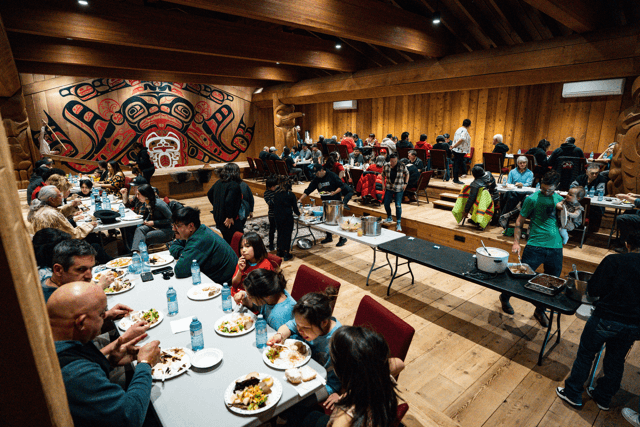
Photo credit: Adam Foss
Koeye River Youth Camp
Qqs Projects Society · Bella Bella, BC
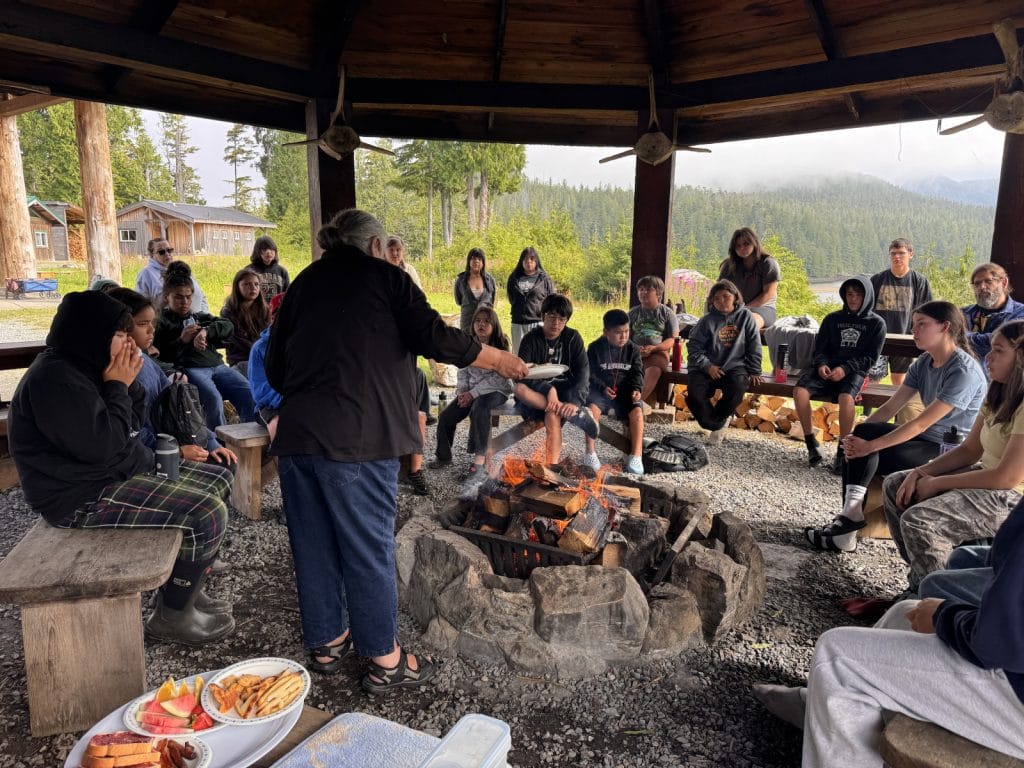
The Koeye River Youth Camp builds an environment where Heiltsuk youth learn healthy living through experience and community rather than instruction alone, strengthening their physical, emotional, cultural, and spiritual wellbeing by rooting the approach in Heiltsuk knowledge systems and relationships to land.
Camp staff share teachings about harvesting, processing, and preserving ancestral foods and maintaining respectful relationships with living food systems, and youth are guided to harvest and prepare ancestral foods and medicines themselves, building confidence and practical skills. Daily physical activity is woven in through land-based recreation such as hiking, paddling, swimming, harvesting, games, and cultural activities, grounded in joy, purpose, and connection to place.
The camp is run by Qqs Projects Society, a Heiltsuk charitable organization in Bella Bella, British Columbia, in the heart of the Great Bear Rainforest, which since 1999 has created opportunities for Heiltsuk youth and families to thrive in community and on the land.
Learn more: www.qqsprojects.org
IDHC Youth Programming
Indigenous Diabetes Health Circle · Thorold, ON
IDHC Youth Programming supports Indigenous youth-led engagement with youth and youth workers across Ontario and beyond, developing community capacity to educate, train, and support awareness, prevention, and living well with diabetes among Indigenous youth.
To build a strong and sustainable youth program, the Indigenous Diabetes Health Circle maps youth programs and services across the province, convenes a youth steering committee to guide the work, and shares resources through workshops and outreach, helping youth develop and maintain positive, culturally grounded health behaviours they can carry throughout their lives.
The Indigenous Diabetes Health Circle is an Indigenous-led not-for-profit in Thorold, Ontario, with a mandate to strengthen Indigenous community capacity to reduce the impact of diabetes now and in future generations. For 30 years it has provided diabetes wellness resources and programming grounded in Indigenous ways of knowing and doing alongside clinical approaches, supporting wellness across all stages of life.
Youth Food Sovereignty and Diabetes Prevention Initiative
Driftpile Cree Nation · Driftpile, AB
Driftpile Cree Nation’s youth food sovereignty initiative reconnects young people with traditional Cree food systems while building practical skills in growing, harvesting, preparing, and understanding healthy foods, with a focus on hands-on learning, relationships, and healthy choices that are relevant and accessible. It is a direct response to food sovereignty being identified by Driftpile leadership and community members as a priority, amid a growing disconnect from traditional foods and land-based knowledge among youth.
Run by the Nation’s Health and Healing Department and working with roughly 25 to 30 youth, the project brings together land-based learning such as gardening, harvesting, and a supported hunting camp day; cooking sessions focused on simple, affordable, culturally relevant meals; diabetes prevention education; the involvement of Elders and Knowledge Keepers; and pop-up awareness activities that lead into a shared community meal.
Driftpile Cree Nation is a Treaty 8 First Nation of approximately 1,200 members on the southern shore of Lesser Slave Lake in northern Alberta.
Food is Medicine: Youth Cooking for Diabetes Prevention
Ulnooweg Education Centre · Halifax, NS (delivered in Millbrook First Nation)
Food is Medicine is an eight-week, hands-on cooking program that supports Indigenous youth in building the skills, knowledge, and confidence to make healthy food choices and prevent chronic diseases like type 2 diabetes.
Through weekly cooking sessions, youth learn to prepare affordable meals while reconnecting with traditional foods, cultural knowledge, and community practices, and each participant receives take-home food bags and kitchen tools so the learning continues at home and in the community. The program is delivered in Millbrook First Nation, a Mi’kmaw community in central Nova Scotia.
It is run by the Ulnooweg Education Centre, an Indigenous-led organization rooted in Mi’kmaw ways of knowing and being, which works with communities across Mi’kma’ki to support youth and adults in reconnecting with land-based knowledge, traditional food systems, and agriculture.
Tłı̨chǫ Diabetes and Wellness Initiative
Tłı̨chǫ Government Department of Healing and Community Wellness · Behchokǫ̀, NT
The Tłı̨chǫ Diabetes and Wellness Initiative delivers culturally grounded diabetes education, wellness programming, and community-based prevention across all Tłı̨chǫ communities, focusing on youth, families, and high-risk populations.
The initiative is expanding with youth-focused initiatives, family-based wellness, and increased physical activity, including Youth and Family Workshops, land-based programming, healthy lunch and supper programs, community surveys and engagement, capacity building, and hybrid and virtual sessions. This builds on previous work of culturally grounded education, hands-on workshops, on-the-land activities, and healthy lunch and supper programs, which increased awareness, engagement, and knowledge of diabetes prevention and management.
The initiative is delivered by the Tłı̨chǫ Government Department of Healing and Community Wellness, the governing authority of the four communities of Tłı̨chǫ Lands of Behchokǫ, Whati, Gamètì, and Wekweètì, all in the Northwest Territories.
Funding History
The Foundation Child & Youth Diabetes focus on supporting Indigenous-led organizations and communities began with an initial investment in 2022 of over $3 million in ten projects aimed at preventing type 2 diabetes and reducing health disparities in northern and remote communities over the next three years.
In addition to multi-year funding for a cohort of ten projects, we provided smaller grants to ten projects and programs that received multi-year funding. These grants support communities and organizations doing significant wholistic community-based work in diabetes prevention and management.
Our current grants vary in size and length to reflect the needs and resources of each partner. We offer grants in ways that ease the burden of applying for those with limited time or capacity and help bridge communities with philanthropic support. Three of our earliest partners are still with us today, alongside ten new partners across the country, with more joining in 2026.
A Legacy of Support & Our Strategic Approach
Our long history of support for diabetes prevention, management and research, and the strategic evolution of our approach to our current focus.
For more information on our Child and Youth Diabetes impact area, please connect with Jeff LaPlante.
Staff Contact

Jeff LaPlante
Our Areas of Focus
Early Child
Development
Child & Youth
Diabetes
Youth Climate & Nature Leadership
Sector
Infrastructure
Miggsie
Fund
Related News and Updates
Child & Youth Diabetes | Virtual Visits #5 | Niqitiavait, “the Good Foods”
https://www.youtube.com/watch?v=rJoddhnhzUg In our February 26, 2024, episode of the Child & Youth Diabetes Strategy Virtual Learning and Connecting Series, we were honored to be joined by host Martha Peet, an Inuk Elder and Traditional Knowledge Keeper...

Diabetes Awareness Month
November marks Diabetes Awareness Month and an opportunity to reflect on the silent health crisis affecting millions of people across Canada, especially in northern and Indigenous communities where the rise of type 2 diabetes among youth has been recognized as the...

Child & Youth Diabetes | Virtual Visits #4 | Innovative Approaches to First Nations Wellness
https://youtu.be/4R68_Lk-NWM?si=sL6M4sIXpZ8dGpN2 In Episode 4 of our Child & Youth Diabetes Strategy Virtual Learning and Connecting Series, alongside our partner, First Nations Education Council, we heard from David Gill, a retired National Team athlete...
Child & Youth Diabetes | Virtual Visits #3 | Indigenous Birth Helpers
https://youtu.be/xwVG2vRKwro?si=C7KF4-FY6zyvBNIR “We have to go back to the beginning.” That’s what Indigenous grandmothers told Jolene Mercer and Kathleen Bluesky, who shared the story of Wiiji’idiwag Ikwewag with us for the latest episode of the Child &...
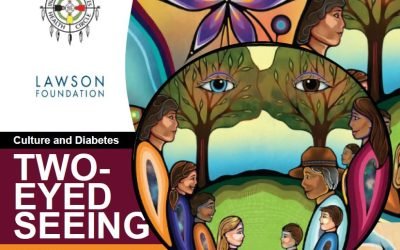
Child & Youth Diabetes | Virtual Visits # 2 | Culture & Diabetes
https://youtu.be/e1uSpCOLoXE?si=ZKi7Dl3n5G1J4WxM “I am not this disease. It came to tell me that I need to start loving myself.” Grandmother Renee Thomas-Hill shares her wisdom in episode 2 of our virtual learning series on diabetes and Indigenous wellbeing....
Child & Youth Diabetes | Virtual Visits # 1 | Food Matters
https://youtu.be/9lQWYl6QBRw?si=L5zAOhEIcXUXDZFI Watch episode 1 of our Child Youth & Diabetes Strategy Virtual Learning & Connecting series, which features a conversation with Demian Lawrenchuk, Fox Lake Cree Nation, and Executive Director of Food...